Introduction: Creating a Long-Term Vision for Home Transformation
Transforming a home is about far more than updating appearances or following design trends. True home improvement involves creating a space that is functional, durable, energy-efficient, and capable of meeting both current and future needs. Whether homeowners are planning interior renovations, exterior upgrades, or outdoor living enhancements, every project should contribute to a long-term vision for comfort, performance, and property value.
Many homeowners begin remodeling projects with a single goal in mind, such as improving aesthetics or adding more space. However, the most successful transformations are built on strategic planning. Each improvement should support the home as a complete system where structural components, mechanical systems, and outdoor features work together efficiently.
A proactive approach also helps prevent costly surprises. Aging roofing materials, outdated windows, poor drainage, or neglected landscaping can create hidden issues that eventually affect the home’s structural integrity and efficiency. By identifying concerns early and coordinating projects thoughtfully, homeowners can reduce repair costs and avoid unnecessary disruptions.
Outdoor spaces have also become increasingly important in modern home design. Functional patios, landscaping features, and exterior upgrades extend usable living space while improving curb appeal and resale potential. At the same time, exterior improvements such as siding, gutters, and windows help protect the structure from weather-related damage.
Another important consideration is long-term value. Remodeling projects should balance appearance with practicality. High-quality materials, durable construction methods, and efficient systems create homes that are easier to maintain and more appealing to future buyers.
This guide explores practical strategies for transforming a home through strategic remodeling and outdoor improvements. By focusing on thoughtful planning, preventative maintenance, and coordinated upgrades, homeowners can create a property that is more comfortable, visually appealing, and structurally reliable for years to come.
Build a Strong Foundation for Successful Renovation Projects
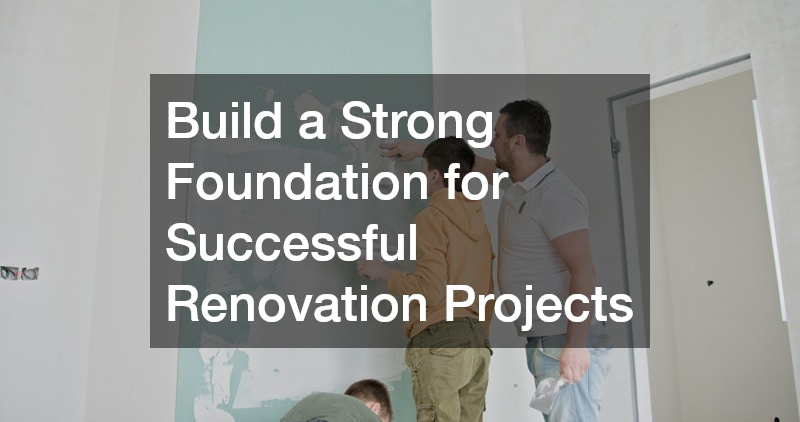
Every successful renovation begins with a clear plan. Without careful preparation, even smaller projects can become stressful, expensive, and time-consuming. Working with a home remodeling company allows homeowners to approach renovations with professional guidance and structured project management.
One of the first steps in planning a remodel is identifying long-term goals. Homeowners should consider how the space will be used not only today but also years into the future. A well-designed renovation balances aesthetics, functionality, and durability.
A home remodeling designer helps translate these goals into practical layouts and cohesive design plans. Designers evaluate how spaces flow together, how lighting impacts usability, and how materials contribute to both performance and appearance.
Key planning considerations include:
- Establishing a realistic project budget
- Prioritizing functionality over short-term trends
- Evaluating structural limitations before demolition begins
- Selecting durable materials suitable for long-term use
Proper planning also involves creating a realistic timeline. Delays often occur because homeowners underestimate material lead times, permit requirements, or contractor scheduling.
Common renovation mistakes to avoid include:
- Starting projects without contingency budgets
- Choosing low-quality materials to save money upfront
- Failing to plan for storage or temporary living disruptions
- Making frequent design changes during construction
Communication is another critical factor. Homeowners should maintain clear communication with contractors, designers, and suppliers throughout the process.
Additional tips for improving renovation outcomes include:
- Requesting detailed written estimates
- Reviewing product warranties carefully
- Scheduling regular progress meetings
- Keeping organized records of all project decisions
Thoughtful planning creates smoother renovations, reduces unexpected expenses, and leads to results that remain functional and attractive for many years.
Improve Daily Comfort and Functionality with Smarter Interior Upgrades
Bathrooms are among the most frequently used spaces in any home, making them one of the most valuable areas to renovate strategically. Outdated layouts, poor ventilation, inadequate lighting, and inefficient fixtures can reduce comfort while increasing maintenance needs over time.
Bathroom remodels provide an opportunity to improve both usability and efficiency. Successful renovations focus not only on appearance but also on long-term durability and practical functionality.
Common reasons homeowners renovate bathrooms include:
- Limited storage space
- Outdated fixtures and finishes
- Water damage or mold concerns
- Poor lighting or ventilation
- Accessibility limitations
Material selection plays a major role in long-term performance. Moisture-resistant flooring, durable countertops, and easy-to-clean surfaces help reduce maintenance while improving durability.
Important upgrade considerations include:
- Installing efficient ventilation systems to reduce moisture buildup
- Choosing slip-resistant flooring for improved safety
- Incorporating layered lighting for functionality and comfort
- Selecting water-efficient fixtures to reduce utility costs
Storage is another key factor in bathroom design. Smart storage solutions help reduce clutter while maximizing available space.
Effective storage strategies include:
- Recessed shelving and medicine cabinets
- Vertical storage systems for smaller bathrooms
- Built-in niches in showers and tubs
- Drawer organizers and hidden storage compartments
Accessibility improvements are also increasingly important. Features such as walk-in showers, grab bars, wider entryways, and comfort-height fixtures support long-term usability for homeowners of all ages.
A well-designed bathroom renovation improves daily routines while increasing overall home value and comfort.
Plan Structural and Expansion Projects with Long-Term Value in Mind
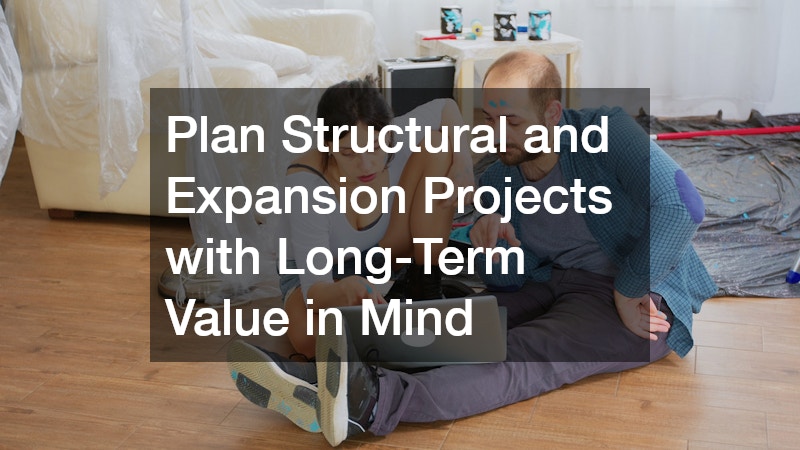
Expanding or structurally modifying a home is one of the most significant investments a homeowner can make. Whether adding square footage, reconfiguring layouts, or constructing entirely new spaces, these projects require careful planning to ensure long-term success.
Working with experienced home builders helps homeowners evaluate structural feasibility, design efficiency, and construction quality. Expansion projects should support both current needs and future flexibility.
Common reasons for structural expansion include:
- Growing household size
- Need for home office space
- Desire for open-concept living areas
- Increased storage requirements
- Creation of multi-functional living spaces
Before beginning construction, homeowners should assess:
- Existing structural conditions
- Local zoning and permit requirements
- Utility system capacity
- Budget limitations and long-term goals
Energy efficiency should also be integrated into all expansion projects. Modern building practices can significantly reduce long-term operating costs through improved insulation, energy-efficient windows, and advanced ventilation systems.
Additional planning considerations include:
- Maintaining architectural consistency with the original structure
- Ensuring proper drainage around new construction
- Planning electrical and plumbing layouts carefully
- Considering future resale value when designing additions
A well-planned expansion enhances usability while preserving structural integrity and long-term property value.
Protect Your Home from Weather and Structural Damage
Exterior protection systems are essential for preserving the structural integrity of a home. Roofing and drainage systems work together to shield the property from moisture intrusion, weather exposure, and long-term deterioration.
A roofing company can identify early signs of wear before they develop into major structural problems. Roofs experience constant exposure to sunlight, wind, rain, snow, and temperature fluctuations, all of which gradually weaken materials over time.
Common warning signs include:
- Missing or damaged shingles
- Water stains on ceilings or attic surfaces
- Sagging roof sections
- Moss or algae growth
- Excessive granule loss in gutters
Preventative maintenance helps extend roof lifespan significantly.
Key maintenance practices include:
- Scheduling annual roof inspections
- Removing debris from roof surfaces and valleys
- Inspecting flashing around chimneys and vents
- Addressing minor leaks immediately
Proper gutter installation is equally important because ineffective drainage allows water to collect near foundations and exterior walls. Overflowing gutters can contribute to erosion, siding damage, basement leaks, and structural instability.
Effective drainage systems should:
- Direct water safely away from the foundation
- Prevent standing water around landscaping
- Minimize erosion near walkways and driveways
- Remain clear of debris year-round
Additional maintenance strategies include:
- Cleaning gutters seasonally
- Inspecting downspouts after storms
- Securing loose gutter sections promptly
- Monitoring drainage flow during heavy rainfall
Protecting exterior systems helps preserve structural stability while reducing long-term repair costs.
Improve Energy Efficiency and Indoor Comfort Through Exterior Upgrades
Exterior materials have a direct impact on indoor comfort, energy efficiency, and overall property protection. Aging windows and deteriorating siding allow air leakage, moisture intrusion, and energy loss that increase utility costs over time.
Working with a window company allows homeowners to evaluate window performance and identify opportunities for efficiency improvements. Older windows often lose insulating performance due to damaged seals, warping, or outdated materials.
Signs that windows may need replacement include:
- Drafts near window frames
- Condensation between glass panes
- Difficulty opening or closing windows
- Rising heating and cooling costs
Modern window systems improve efficiency by:
- Reducing heat transfer
- Improving indoor temperature consistency
- Blocking harmful UV exposure
- Enhancing sound insulation
A siding contractor can also help improve exterior performance and appearance. Siding protects structural framing from weather while contributing significantly to curb appeal.
Important siding considerations include:
- Material durability in local climate conditions
- Moisture resistance and ventilation performance
- Ease of maintenance and cleaning
- Color retention and UV resistance
Additional energy-saving strategies include:
- Sealing gaps around windows and siding joints
- Improving insulation behind exterior materials
- Inspecting caulking regularly
- Cleaning siding to prevent mold or moisture buildup
Exterior upgrades improve both comfort and long-term durability while increasing property value.
Design Outdoor Spaces That Are Functional, Durable, and Attractive
Outdoor living spaces have become an essential extension of the modern home. Well-designed exterior areas improve functionality, create gathering spaces, and enhance overall property appeal.
Hardscaping refers to non-living outdoor features such as patios, retaining walls, walkways, fire pits, and outdoor kitchens. These structures help organize outdoor areas while improving usability and drainage control.
Key planning considerations include:
- Defining intended uses for outdoor spaces
- Choosing durable materials suited to climate conditions
- Planning for proper water drainage and grading
- Integrating lighting for safety and ambiance
Common hardscaping features include:
- Stone or paver patios
- Retaining walls for erosion control
- Outdoor seating and entertainment areas
- Decorative walkways and pathways
Durability is especially important because outdoor surfaces experience constant weather exposure. Freeze-thaw cycles, heavy rainfall, and UV exposure all contribute to material wear over time.
Maintenance practices include:
- Cleaning surfaces regularly
- Sealing pavers or stone materials periodically
- Inspecting joints for shifting or cracking
- Managing drainage to prevent erosion
Well-designed outdoor spaces improve both daily enjoyment and long-term property value.
Maintain Healthy and Attractive Landscaping Year-Round
Landscaping plays a major role in curb appeal, drainage management, and overall property health. Healthy lawns and well-maintained plantings create a more inviting environment while supporting erosion control and moisture management.
A professional lawn care service helps homeowners maintain consistent landscape health throughout changing seasons. Lawn care involves far more than mowing grass—it includes fertilization, weed management, soil health, irrigation, and pest prevention.
Common lawn problems include:
- Uneven growth patterns
- Weed overgrowth
- Bare or thinning patches
- Poor drainage or standing water
- Pest or disease damage
Seasonal maintenance strategies include:
- Aerating soil to improve root health
- Applying fertilizer based on seasonal needs
- Adjusting watering schedules during drought conditions
- Removing debris that restricts airflow
Proper landscaping also supports exterior maintenance by directing water away from structures and reducing erosion near foundations.
Additional landscaping considerations include:
- Selecting plants appropriate for local climate conditions
- Maintaining mulch layers for moisture retention
- Trimming vegetation away from siding and roofing
- Monitoring irrigation systems for leaks or overwatering
Consistent landscape maintenance improves both property appearance and long-term exterior protection.
Coordinate Multiple Home Improvement Projects Efficiently
Large-scale home improvements often involve multiple contractors, systems, and timelines. Without proper coordination, projects can become disorganized, delayed, and more expensive than expected.
Effective project coordination begins with prioritization. Structural repairs and protective systems should generally be addressed before cosmetic upgrades.
Best practices include:
- Creating a detailed project timeline
- Scheduling inspections before renovations begin
- Coordinating contractors to minimize disruptions
- Tracking material deliveries and lead times carefully
Grouping related projects together often improves efficiency. For example, roofing and gutter improvements can be completed simultaneously, while siding and window upgrades may share overlapping labor requirements.
Additional coordination strategies include:
- Maintaining organized project documentation
- Setting realistic expectations for completion timelines
- Reviewing progress regularly with contractors
- Preparing contingency plans for unexpected issues
Structured planning reduces stress while improving overall project outcomes.
Budget Strategically for Renovations and Exterior Improvements
Financial planning is essential for successful home transformation projects. Without a realistic budget, even well-designed renovations can create financial strain.
Important budgeting strategies include:
- Setting aside contingency funds for unexpected costs
- Prioritizing high-impact improvements first
- Comparing contractor estimates thoroughly
- Evaluating long-term value rather than lowest upfront price
Homeowners should also consider long-term maintenance costs when selecting materials and systems. Durable, energy-efficient products often reduce future expenses significantly.
Planning improvements in phases can make larger projects more manageable while reducing financial pressure.
Increase Property Value Through Consistent Improvements and Maintenance
Consistent maintenance and strategic upgrades help preserve and increase property value over time. Buyers are more likely to invest in homes that demonstrate careful upkeep and modern functionality.
High-impact improvements often include:
- Energy-efficient exterior upgrades
- Structural maintenance and repairs
- Functional outdoor living spaces
- Updated kitchens and bathrooms
Maintaining detailed records of repairs and renovations also improves buyer confidence during resale.
Balancing aesthetics with durability ensures that improvements continue delivering value long after installation.
Conclusion: Creating a More Comfortable, Efficient, and Valuable Home
Transforming a home successfully requires more than isolated upgrades or cosmetic changes. The most effective improvements are built on strategic planning, preventative maintenance, and a long-term vision for comfort, durability, and functionality. When homeowners approach renovations thoughtfully, every project contributes to a more reliable and efficient living environment.
Interior renovations improve usability and support daily comfort, while exterior systems protect the structure from weather and environmental wear. Outdoor spaces add functionality, improve curb appeal, and create additional areas for relaxation and entertainment. Together, these improvements create a more balanced and valuable property.
One of the most important principles of successful home improvement is consistency. Small maintenance issues should be addressed early before they escalate into major structural or financial problems. Routine inspections, seasonal upkeep, and coordinated upgrades help homeowners avoid costly surprises while preserving long-term performance.
Ultimately, a well-maintained and thoughtfully upgraded home supports both lifestyle and long-term investment goals. With careful planning, proactive care, and a commitment to quality improvements, homeowners can create spaces that remain comfortable, attractive, and structurally reliable for many years to come.